The Potomac Flower Show and Design Competition takes place annually at the Potomac Floral Wholesale in Silver Spring, MD. Here is a short video that Daisy and Seema our interns put together from the March 13, 2016 event.

Washington Gardener Magazine is the award-winning publication for Mid-Atlantic USA gardeners by local gardeners.
Wednesday, March 16, 2016
Video Wednesday: Potomac Flower Show
The Potomac Flower Show and Design Competition takes place annually at the Potomac Floral Wholesale in Silver Spring, MD. Here is a short video that Daisy and Seema our interns put together from the March 13, 2016 event.


Tuesday, March 15, 2016
Spring has Sprung for Garden Bloggers' Bloom Day
 |
| Siberian Squill (Scilla siberica) |
 |
| Muscari |
 |
| Hellebore 'Pink Frost' |
 |
| Primrose |
 |
| Daffodils 'February Gold' |
 |
| Hyacinth |
It is Garden Blogger's Bloom Day again! On the 15th of each month, we gardeners with blogs share a few bloom photos from our gardens. Here is the Mid-Atlantic USA (USDA zone 7) on the DC-MD border, spring was sprung a few weeks early! We had two horrible back-to-back winters and then survived the 3+ feet of snow of this winter's blizzard, so we deserve it!
My Crocus are already done and the Snowdrops are ending too. The many varieties of Daffodils, Hyacinths, Primrose, Hellebore are blooming along with all the other minor bulbs I've planted over the years are jumping up. I've share pics of a few of them above. The Forsythia are started while the Heather and Winter Jasmine keep plugging away. Any day now, the flowering trees will also pop open -- they include Redbud, Flowering Plum, Weeping Cherry, and Tulip Magnolia.
What's blooming in your garden as spring gets underway?
Friday, March 11, 2016
Local First Friday: Urban Farm Plans
Guest Blog by Seema Vithlani

Founded by brothers Eriks and Andrejs Brolis, Urban Farm Plans is a DC metro area green business that helps communities and
individuals start and raise their own sustainable food systems. The team
installs edible gardens and urban farms, provides consultations, and educates
communities about sustainable agriculture, composting, and more. They also sell
their wholesale designs, including hoop houses to extend harvest seasons,
various compost systems, and raised beds for improved farm productivity.
The Brolis brothers began their own family farm in
Washington, DC, in 2013, applying organic practices and permaculture
principles. After noticing a great demand of people who wanted help cultivating
their own farms and learning to build sustainable gardens, they began Urban
Farm Plans nearly one year ago.
“We started growing
our own food to prove to ourselves that we could nourish our families with the
healthiest, most sustainable, nutrient dense food that was possible,” the
Brolis brothers wrote. “Almost immediately, friends, neighbors, and others
began to ask how we do what we do.”
Eriks Brolis said they hope to spend more time outside in
gardens, after being caught up in paperwork from customers and media attention
from first lady Michelle Obama’s recent visit to their business.
“We get to live a lifestyle where we are able to share our
passion for good food and healthy living,” said Eriks Brolis. “But I would
truly say the best part about Urban Farm Plans is getting to help bring
together an amazingly diverse cross-section of the city's population.”
About the Author
Seema
Vithlani is a junior multi-platform journalism major and French minor
at the University of Maryland. This spring she is also an editorial
intern for Washington
Gardener Magazine.
Wednesday, March 09, 2016
Video Wednesday: Rooting DC 2016
Here is a short video of the Rooting DC forum. It is the central meeting ground for individuals and nonprofits looking to grow a healthier food system in the nation’s capital. Find out more at: http://rootingdc.org/
The video was produced by Washington Gardener Magazine and photographed/edited by interns Daisy Nji and Seema Vithlani.
Friday, March 04, 2016
Local First Friday: Cultivate the City
Guest Blog by Seema Vithlani

When constructing a 60-tower vertical garden system for J.O. Wilson Elementary School, Niraj Ray, founder of Cultivate the City, noticed a significant interest among homeowners, schools, and organizations in setting up vertical gardens.
He launched his business in April 2015 to meet these
interests and to sell gardening supplies and produce from Cultivate the City’s
own food system. So far, the group has worked with around 25 businesses and
homeowners to design and install gardens. It also provides consultations and
education services on planting and maintaining sustainable food systems.
Most notably, Cultivate the City’s latest project is H
Street Farms, a nursery and retail garden center with greenhouses, cold storage,
and green roof areas. Located in Washington, DC, the farm will offer plants
and supplies and sell pesticide-free produce to nearby restaurants and through
farmers’ markets. It will also feature the Vertical Edible Garden, set to open
this spring.
“We’re really helping create an urban food system that
doesn’t require help from outside sources,” said Ray.
He said the most challenging part about Cultivate the City
is changing public perception that the gardens can’t produce enough food to
make a difference.
In the next few weeks, Ray and his colleagues will begin
working with Union Market to set up a rooftop garden and an edible garden at
the front of the market. They will also continue to provide services to schools
and individuals.
About the Author
Seema Vithlani is a junior multi-platform journalism major and French minor at the University of Maryland. This spring she is also an editorial intern for Washington
Gardener Magazine.
Kale: You Can Grow That!
 Kale is "king" according to nutritionist and trendy chefs alike. This frilly cabbage cousin is packed full of nutrients and antioxidants. Kale is a versatile green and can be used as a spinach substitute in virtually any recipe.
In the current issue of Washington Gardener Magazine,
our "EdibleHarvest" columnist Elizabeth Olson provides the following advice for growing kale.
Growing requirements for kale are very similar to those of cabbage. Gardeners who want to grow kale in spring should either purchase transplants in early to mid-spring or start seeds indoors about four to six weeks before the last expected frost date.
Seeds for autumn-harvested kale should be started in mid-summer and the plants should be installed in the garden by mid-September.
Be sure to harden off young plants before transplanting them to the garden and do not crowd them to ensure good air circulation. Space them based on usage (such as harvesting whole young plants or growing them to maturity and harvesting leaves as needed) and the recommendations for each cultivar.
Kale grows best in full sun. The soil should drain well and be well-worked and amended with compost. Fertilize the plants with an organic vegetable fertilizer. A consistent moisture level in the soil is necessary for the highest-quality leaves; supplement rainfall with a soaker hose that is installed soon after planting. Keep the kitchen garden well-mulched and free of weeds.
The plants should be covered with a floating row cover to protect them from flying insects. It is challenging to extract pests that get into the leaves, especially the ruffled ones.Read more about growing kale along with a few kale recipes in the February 2016 issue of Washington Gardener Magazine.

All who are involved with You Can Grow That! (YCGT!) believe that plants and gardening
enhance our quality of life. We want people to be successful with what
they grow and to become more aware of the many gifts that horticulture
brings. Find out more at http://www.youcangrowthat.com/.
Thursday, March 03, 2016
ADVERTISER OF THE WEEK: Green Matters Symposium

Green Matters, an annual symposium at Brookside Gardens since 2004, concentrates attention on the intersection of horticulture and environmental issues. Environmental stewardship is a core value of the Maryland-National Capital Park and Planning Commission (M-NCPPC), Brookside Gardens' parent organization. As such, we strive to provide timely information and viable solutions to environmental challenges, because we feel strongly that green does matter. See registration information at: http://www.montgomeryparks.org/brookside/green_matters_symposium.shtm
ADVERTISER OF THE WEEK Details:
Every Thursday on the Washington Gardener Magazine Facebook page, Blog, and Yahoo list we feature a current advertiser from our monthly digital magazine. To advertise with us, contact wgardenermag@aol.com today.
Wednesday, March 02, 2016
Video Wednesday: Luminous Landscapes
Here is a short video on an exhibit of landscape photography running at the National Building Museum in Washington, DC. This is the work of Alan Ward. The large format photographs are impressive and really bring you into the landscapes, many of which will be familiar to landscape architecture fans. The video was produced by Washington Gardener Magazine and photographed/edited by intern Seema Vithlani.
Tuesday, March 01, 2016
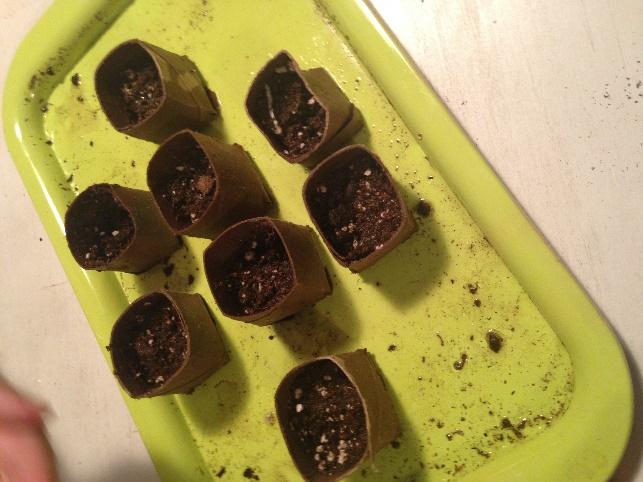
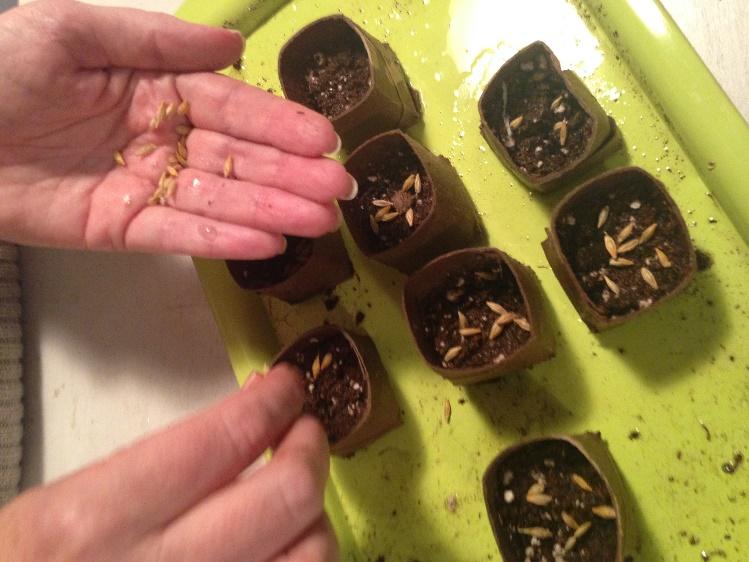
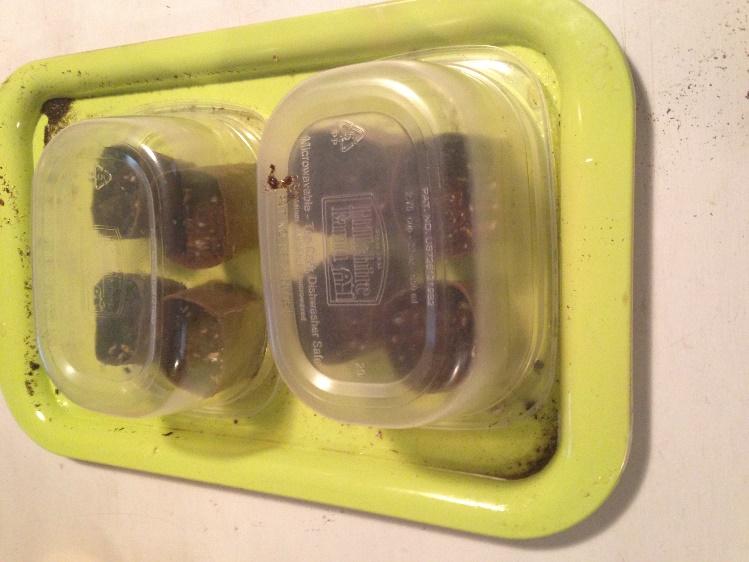
DIY: Starter Pots
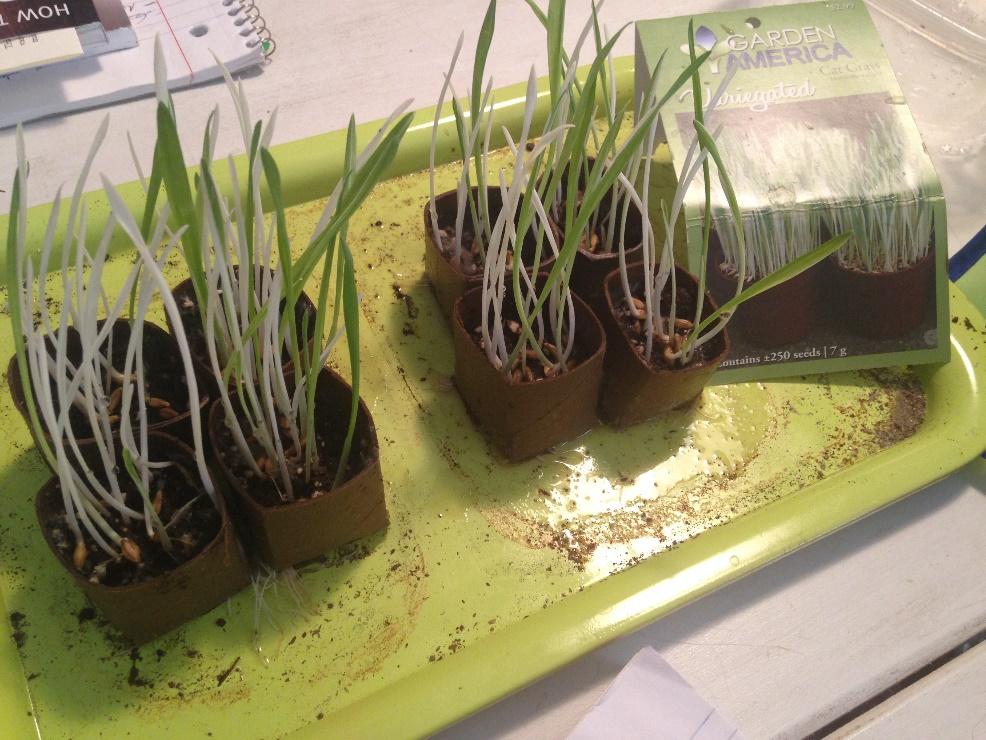
Guest blog by Daisy-Nelly Nji
These easy seed-starting pots can be made by the dozen and can be directly planted in soil after the seeds have sprouted as the paper rolls will decompose.
Materials:
Empty toilet paper or paper towel rolls
Watering can
Seeds (we used cat grass)
Tray
Clear, plastic container
Soil-less seed-starting mix
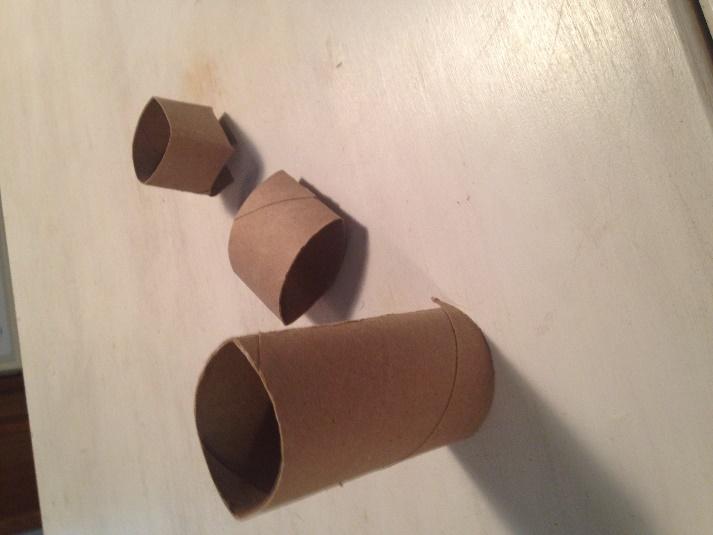
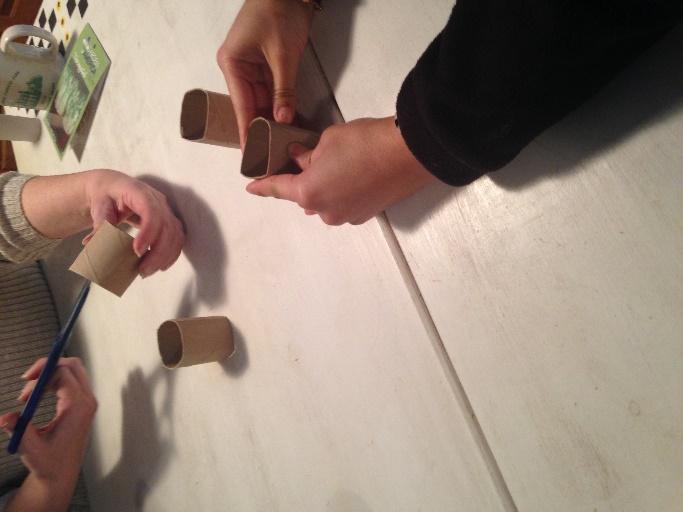
Step 1: Fold the roll into a square. By first folding the roll in half one way. Then, folding it in half the other way.
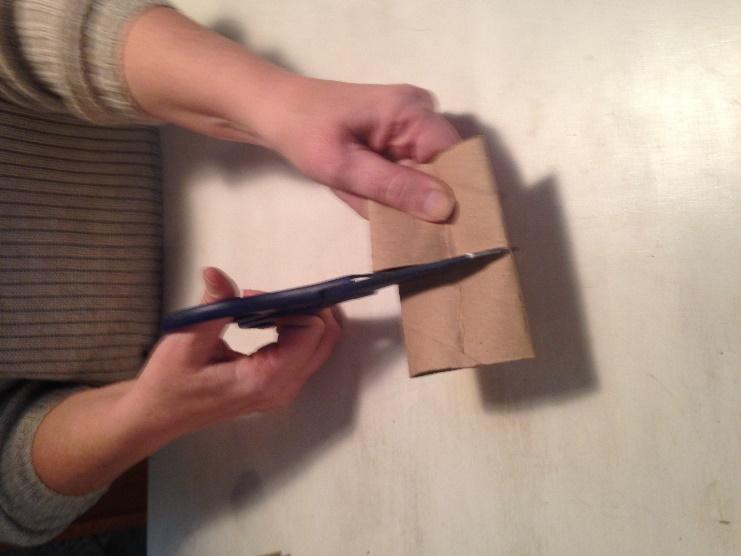
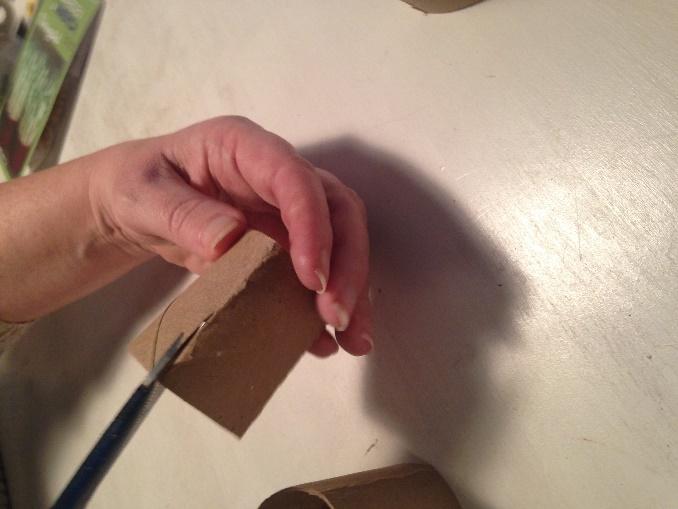
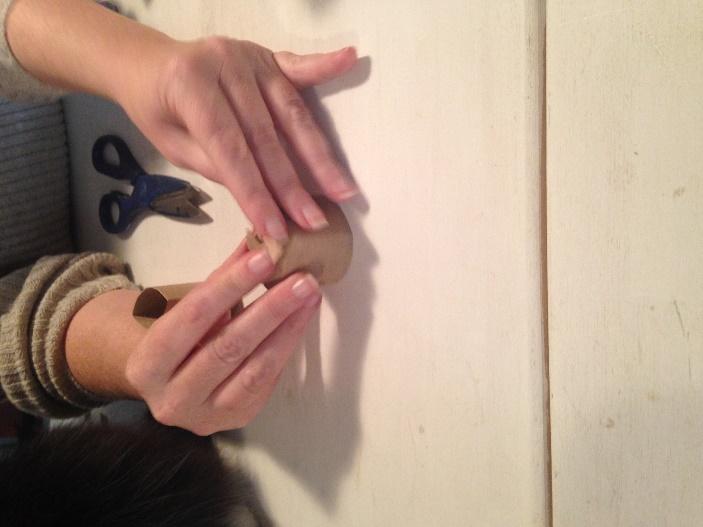
Step 2: Cut the toilet paper roll in half. Fold the roll in half one way and make a 3/4-inch cut, then fold the roll in half the other way and make another 3/4 inch cut. You should have 4 cuts in total on the bottom of your roll. Repeat this step on the other roll.
Step 3: Fold the bottom flap down first, then fold the left flap down, overlapping the bottom flap, then fold the top flap down, overlapping the left flap. Now here's the tricky part. Fold the right flap under the bottom flap and over the top flap. This holds the pot together. Repeat this step on the other pots.
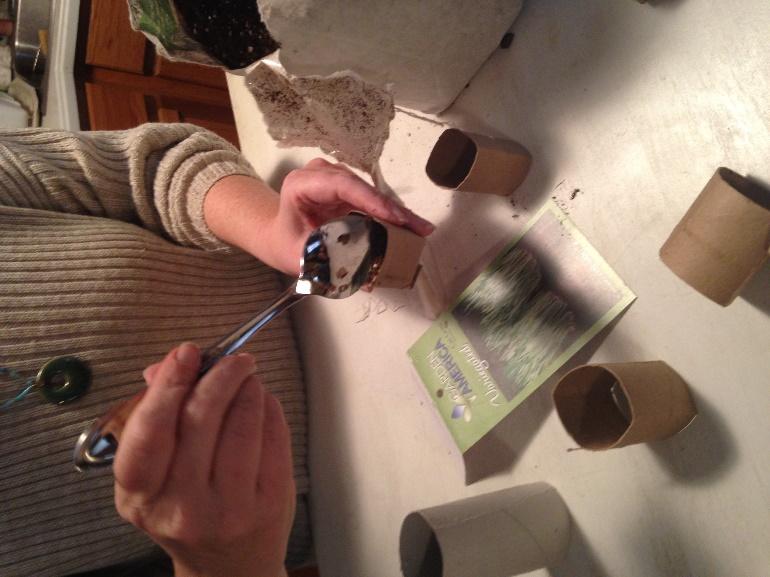
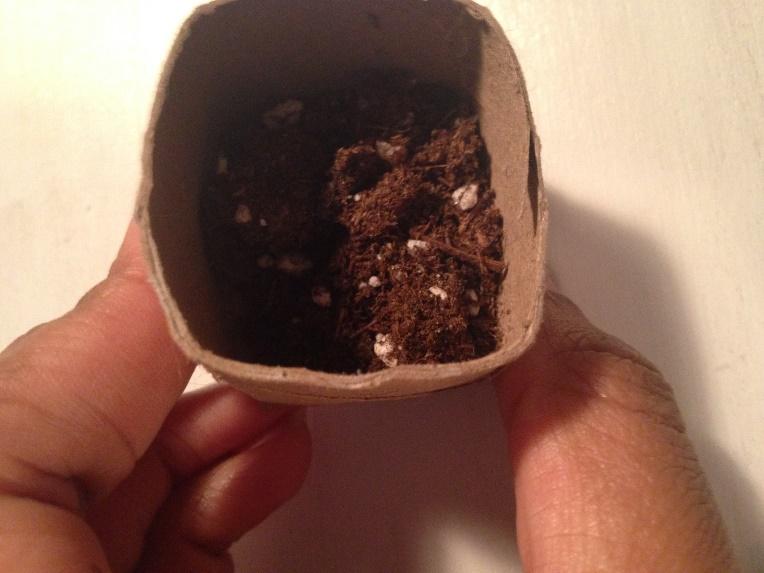
Step 4: Fill the pot halfway with soil.
Step 5: Soak the soil with water. Then press out the excess water with your fingers.
Step 6: Add 2-3 seeds to each pot
Step 7: Add a tiny bit more soil to cover the seeds.
Step 8: Place the pots on a tray and put a plastic bowl on top of the pots to seal in moisture.
Step 9: Put in a sunny window. Check on them daily. Watering the seed pots as needed. After about two weeks your plants should begin to sprout and grow.
Step 10: Remove the plastic bowl and continue to care for the seedlings until they are ready to transplant to a bigger container or outdoors. Enjoy!
About the Author
Daisy-Nelly Nji is a senior journalism student at the University of Maryland. She is a multi-platform journalism major in the Philip Merrill College of Journalism. This spring, she is an editorial intern at Washington Gardener Magazine.
This is the re-boot of our monthly blog series on DIY projects for the home gardener. Look for the other installments in this DIY blog series by putting "DIY" in the search box here at washingtongardener.blogspot.
Thursday, February 25, 2016
ADVERTISER OF THE WEEK: Grow Your Health Festival

On Saturday, March 5, 2016, the Northern Virginia Whole Food Nutrition Meetup Group will host its fourth annual Grow Your Health Festival at Fairfax High School in Fairfax, Virginia. The event will celebrate home gardening, sourcing organic and local food, and nutrition and wellness. We will show a documentary film; offer class instruction on gardening and nutrition; and host an exhibit hall for gardening services, farmers, food artisans, organic food distributors, and wellness products and services. This is a family focused event that includes education and entertainment for children of all ages. See details: http://www.growyourhealthnova.com/
ADVERTISER OF THE WEEK Details:
Every Thursday on the Washington Gardener Magazine Facebook page, Blog, and Yahoo list we feature a current advertiser from our monthly digital magazine. To advertise with us, contact wgardenermag@aol.com today.
Wednesday, February 24, 2016
Video Wednesday: Flora Exhibit at the US Botanic Garden
Flora of the National Parks exhibit runs February 18 - October 2, 2016 at the US Botanic Garden's Conservatory West Gallery. Here is a short video created by Washington Gardener Magazine intern Daisy-nelly Nji at the press preview of the exhibit.
In celebration of the 100th anniversary of the National Park Service, this art exhibit will showcase some of the plant species and communities found throughout the more than 400 national parks. From giant redwoods and aspen forests to endangered Virginia spiraea and water lilies, the national parks contain a diverse representation of the North American flora. Illustrations, paintings, and photography will take you on a tour of the beauty and importance of the American flora.See more about the exibit at: https://www.usbg.gov/exhibits#sthash.3TslCvW1.dpuf
Subscribe to:
Posts (Atom)
Featured Post
Holiday Gifts for Gardeners ~ Top Gardening Gifts ~ 21+ Cool Gardening Gift Ideas
The holiday season is here and I bet you have a gardener on your gift list, so we've updated our annual Holiday Gifts for Gardeners ...

Most Popular Posts
-
 The rain held off and we had more than 200 people come to yesterday's Washington Gardener Magazine 16th Annual Tomato Taste at the Fre...
 -
Ripe Tomato on Tomato 'Citrine' plant on July 20, 2026. Guest Blog by Maya Hand I had never gardened before this summer, beyond occ...
-
 GardenDC: The award-winning podcast about Mid-Atlantic Gardening and Beyond is taking a break for the end of summer and will be back soon w...
