Showing posts with label herbs. Show all posts

Wednesday, April 01, 2026

Thyme Plant Profile


Thyme Plant Profile

Thyme (Thymus vulgaris) was previously Origanum thymus and Thymus collinus. It is classified as a small subshrub or woody perennial.

It is native to Southern Europe and is in the mint family. It is hardy to USDA zones 5 to 9.

This herb has many cultivars and forms from prostrate to vertical and the foliage can be dark green, gray-green, or  variegated with a white edge.

It is used to flavor meat dishes, soups and stews, and Thanksgiving stuffing.

The key to growing it well is good drainage and full sun. Don’t overwater it, as it is susceptible to root rot. An ideal situation is to plant it overhanging a rock wall in soil amended with aged compost and chicken grit.

It can be grown in the garden or in a container. There is no need to fertilize it. Mulch it lightly in winter.

Thyme is drought-tolerant and deer-proof. Pollinators love it. Honeybees are especially attracted to the tiny pink-purple or white flowers.

To start new plants, it is best to take cuttings as it is difficult to grow thyme from seed.

When using it in cooking, pinch off the young stems and strip the leaves. For the best taste, harvest it just before bloom time. You can take up to a third of the plant at any one time, let it recover before harvesting from it again.

Thyme: You Can Grow That!


The video was produced by Washington Gardener Magazine.

Audio, Video, Photos, and Text by Kathy Jentz

Video and Editing by Aicha Bangoura


 If you enjoy this video, please give it a thumbs up and subscribe to our Youtube channel (thank you!)

Remember to TURN ON notifications to know when our new videos are out

 FIND Washington Gardener Magazine ONLINE

WashingtonGardener.blogspot.com

http://twitter.com/WDCGardener

https://www.instagram.com/wdcgardener/

~ Facebook.com/WashingtonGardenerMagazine

~ Podcast: GardenDC


If you liked this video, we think you will like these other Plant Profiles:

~ Rosemary  Plant Profile

https://washingtongardener.blogspot.com/2019/11/plant-profile-rosemary.html

~ Lavender  Plant Profile

https://washingtongardener.blogspot.com/2020/06/plant-profile-lavender-lavandula-sp.html

~ Dill Plant Profile

https://washingtongardener.blogspot.com/2025/04/dill-plant-profile.html

 PIN THIS FOR LATER!


Wednesday, September 10, 2025

Basil Plant Profile

Basil Plant Profile

Basil (Ocimum basilicum) is an annual herb in the mint family that is native to southern Asia. The leaves and stems are edible and highly aromatic. It is used as a culinary addition to soup, sauces, salads, and many other dishes.

Cultivars of Basil include Thai Basil, Genovese Basil, Sweet Basil, African Blue Basil, and many more. Newer varieties such as Prospera and Rutgers Obsession are bred to be more downy mildew resistant.

Basil is very easy to grow from seed. Direct sow it in the ground or a container as soon as the chance of a frost in the spring has passed. It can also be propagated by taking stem cuttings and rooting them in water before transplanting them outside.

It is rabbit- and deer-resistant. Slugs, snails, and Japanese beetles can be an issue, so be on the lookout for these pests and handpick them off when you see them.

It prefers to grow in full sun and in moist, but well-draining soils. There is no need to fertilize it. It is hardy to USDA Zone 10 to 11.

Prune it regularly by pinching out the tips once it grows to a foot or so tall. This will encourage lots of leafy full growth and discourage flowering.

Towards the end of the summer, stop pinching it back and let it go to flower and seed. Pollinators go crazy for the flowers and you can collect the seeds for sowing next year.

Basil: You Can Grow That!

The video was produced by Washington Gardener Magazine as part of our Plant Profile series for Mid-Atlantic USA gardeners.

Audio, video, and text by Kathy Jentz

Editing by Ellen Isaacson

If you enjoy this video, please give it a thumbs up and subscribe to our Youtube channel (thank you!)

Remember to TURN ON notifications to know when our new videos are out

FIND Washington Gardener Magazine ONLINE

~ WashingtonGardener.blogspot.com

~ http://twitter.com/WDCGardener

~ https://www.instagram.com/wdcgardener/

~ Facebook.com/WashingtonGardenerMagazine

~ Podcast: GardenDC

If you enjoyed this Plant Profile, check out:

~ Dill Plant Profile

https://washingtongardener.blogspot.com/2025/04/dill-plant-profile.html

~ Borage Plant Profile

https://washingtongardener.blogspot.com/2022/07/borage-plant-profile.html

~ Bronze Fennel Plant Profile

https://washingtongardener.blogspot.com/2023/07/bronze-fennel-plant-profile.html

 PIN THIS FOR LATER!


Wednesday, April 30, 2025

Dill Plant Profile

Dill Plant Profile

Dill (Anethum graveolens) is an annual herb that is native to Eurasia and the Mediterranean. Dill is used in pickling and in such dishes as potato salad, sauerkraut, and fish preparations. It has beautiful ferny foliage and pretty yellow flowers.

In addition to its culinary uses, Dill attracts beneficial insects. It is a host plant for the caterpillar of the black swallowtail butterfly. It was named Herb of the Year in 2010.

Grow it in full sun and in well-draining soil--protected from strong winds. It is hardy to USDA zones 2 to 11.

Dill is best started by direct-sowing seeds in the ground. It can also be grow in containers. (It has a long taproot, so it doesn’t like to be moved or transplanted.) To have a continual supply of dill, sow a new row of seeds every few weeks.

You should occasionally weed around the plants and thin out the new seedlings once they are a few inches high. Pinch off the flower heads to encourage fuller leaf growth, which is the main part you will harvest for use in cooking.

Once the dill plant has 5-6 leaves on it, you can start harvesting them. To harvest the leaves, pinch or snip them off with kitchen scissors. Select the older leaves first.

Towards the end of the season, let the dill flower and form seedheads. Collect the seeds for use in cooking and to plant some for next year. If you let the seeds fall where they are growing, they will often self-sow next season.

It is deer-resistant and makes a charming addition to a cut-flower bouquet.

Dill: You Can Grow That!

The video was produced by Washington Gardener Magazine as part of our Plant Profile series for Mid-Atlantic USA gardeners.

Audio and text by Kathy Jentz

Video and editing by Madison Korman

If you enjoy this video, please give it a thumbs up and subscribe to our Youtube channel (thank you!)

Remember to TURN ON notifications to know when our new videos are out

FIND Washington Gardener Magazine ONLINE

~ WashingtonGardener.blogspot.com

~ http://twitter.com/WDCGardener

~ https://www.instagram.com/wdcgardener/

~ Facebook.com/WashingtonGardenerMagazine

~ Podcast: GardenDC

If you enjoyed this Plant Profile, check out:

~ Borage Plant Profile

https://washingtongardener.blogspot.com/2022/07/borage-plant-profile.html

~ Bronze Fennel Plant Profile

https://washingtongardener.blogspot.com/2023/07/bronze-fennel-plant-profile.html

~ Yarrow Plant Profile

https://washingtongardener.blogspot.com/2023/06/yarrow-plant-profile.html

 PIN THIS FOR LATER!


Thursday, April 17, 2025

Lyreleaf Sage Plant Profile

Lyreleaf Sage Plant Profile

Lyreleaf Sage (Salvia lyrata) is a perennial plant that is native to the eastern half of the United States. It has pretty lavender-blue flowers in spring.

The basal foliage resembles that of the dandelion, but the leaves have a reddish-purple veining.

Lyreleaf Sage is a member of the mint family. It can reseed itself and establish into a small colony to form a nice groundcover.

It can grow in full sun to part shade and prefers well-draining soils. It is hardy to USDA Zones 5 to 8.

The flowers attract bees, hummingbirds, and butterflies. It is fairly deer-resistant as well.

It is a medicinal herb that was once thought to cure cancer. Lyreleaf Sage is edible and is collected as a wild salad green in the early- to mid-springtime.

Lyreleaf Sage: You Can Grow That!


The video was produced by Washington Gardener Magazine.

Audio, Photos, Video, and Text by Kathy Jentz Editing by Madison Korman


 If you enjoy this video, please give it a thumbs up and subscribe to our Youtube channel (thank you!)

Remember to TURN ON notifications to know when our new videos are out

 FIND Washington Gardener Magazine ONLINE

WashingtonGardener.blogspot.com

http://twitter.com/WDCGardener

https://www.instagram.com/wdcgardener/

Facebook.com/WashingtonGardenerMagazine

~ Podcast: GardenDC

If you liked this video, we think you will like these other Plant Profiles: 

Trout Lily Plant Profile

https://washingtongardener.blogspot.com/2025/04/trout-lily-plant-profile.html

 Virginia Bluebells Plant Profile

 https://washingtongardener.blogspot.com/2018/04/plant-profile-virginia-bluebells.html

 Baptisia Plant Profile

https://washingtongardener.blogspot.com/2023/07/baptisia-plant-profile.html

 Spring Beauty Plant Profile

https://washingtongardener.blogspot.com/2020/04/plant-profile-spring-beauty-claytonia.html

Pin this for later!


Saturday, June 01, 2024

GardenDC Podcast Episode 197: Growing Herbs in Shade

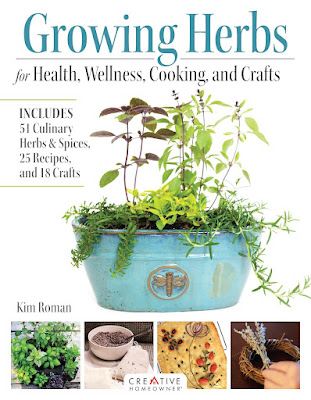
In this episode of GardenDC: The Podcast about Mid-Atlantic Gardening, we talk with returning guest Kim Roman of Square Foot Gardening 4 U about growing herbs in the shade. The plant profile is on Blue-eyed Grass and we share what's going on in the garden as well as some upcoming local gardening events and this week's garden tasks in the What's New segment. We close out with the Last Word on Zucchini Lasagna from Christy Page
of Green Prints.

If you liked this episode, you may also enjoy listening to:

~ GardenDC Podcast Episode 116: Miniature Vegetables

https://washingtongardener.blogspot.com/2022/08/gardendc-podcast-episode-116-miniature.html

~ GardenDC Podcast Episode 3: Cool-Season Edible Gardening

https://washingtongardener.blogspot.com/2020/03/gardendc-podcast-episode-3.html

~ GardenDC Podcast Episode 157: Ginger and Turmeric

https://washingtongardener.blogspot.com/2023/07/gardendc-podcast-episode-157-ginger-and.html

This episode is archived at: 

https://podcasters.spotify.com/pod/show/gardendc/episodes/Growing-Herbs-in-Shade-e2k7t5s

BTW, YOU can become a listener supporter for as little as $0.99 per month! 

See how at: https://podcasters.spotify.com/pod/show/gardendc/support.

SHOW NOTES: 0:58 Welcome back Kim Roman of Square Foot Gardening 4 U 1:49 Kim talks about her new book “Growing Herbs for Health, Wellness, Cooking and Crafts” and teases a third book 4:40 What Kim is growing in her garden in North East, Maryland 5:45 Defining shade 7:07 How shade affects plant growth 9:26 Kim’s favorite type of mulch around herbs 9:44 Why Kim uses raised beds instead of growing in ground 11:21 Using Mel’s Mix and modified soil mixes 12:28 The pot-in-pot method and how it helps with wind protection 14:14 Catnip and how that herb is for more than cats 15:00 Consulting an herbalist Michelle Guerrero Denison, The Twig & Feather 16:53 Parsley - how it grows in shade and uses of the herb 18:48 Tips for Parsley seed germination 19:38 Buying herbs in the Mid-Atlantic Richardson’s Floral Center, Newark, DE Sharp’s at Waterford Farm, Brookeville, MD Baltimore Herb Festival, Baltimore, MD 21:04 Kathy shares a story about Chives and cats 22:01 Kim talks about growing Chives 23:27 Oregano growth and usage 24:28 Mint and growing it in the shade to make it less invasive 27:04 Lemon Balm benefits 27:59 Tarragon vs. French Tarragon 28:55 Thyme and Sage, “It’s all about the drainage” 29:56 Cilantro and defining herbs 32:30 Keeping Cilantro in the shade helps it last longer 33:02 How much sun does Ginger need? 34:35 Chervil and lowering blood pressure 35:28 Hyssop 36:18 Calendula 38:15 Kim’s favorite and least favorite herbs 39:28 “If you were to have just one pot, say on a balcony, and your balcony wasn't getting direct sun, what herbs would you recommend that person grow in that pot?” 41:25 Find Kim on her website sfg4u.com and on social media @SquareFootGarden4U @CulinaryHerbsForWellness and @YourIndoorFoodGarden 42:01 Kim’s final words, “Never get discouraged” 43:04 Plant Profile: Blue-Eyed Grass 44:41 What’s new in the garden this week? 45:31 Upcoming events in the Maryland, D.C., and Virginia area You can find out more about those at extension.umd.edu, silverspringgardenclub.com, and mdflora.org 47:22 Washingtion Gardener will be at ​​Lotus and Water Lily Festival at Kenilworth Aquatic Gardens in Washington, DC this July 47:37 The May issue of the Washington Gardener Magazine is available at https://washingtongardener.blogspot.com/ 48:35 Check out Groundcover Revolution by Kathy Jentz for low-maintenance alternatives for lawns on Amazon.com and Bookshop.org 51:00 Guilt-free zucchini lasagna with Christy Page from Food Gardening Network

Please vote for GardenDC in the first-ever GardenComm’s People’s Choice Horti Awards.
Voting happens now through 6/15. Go HERE: 

We welcome your questions and comments! You can leave a voice mail message for us at: https://podcasters.spotify.com/pod/show/gardendc/message Note that we may use these messages on a future episode.

And be sure to leave us a 5-star review on your favorite podcast platform plus share us on social media with #GardenDC, so other gardeners can find us too!

Episode Credits:
Host and Producer: Kathy Jentz
Interview Edit and Show Notes: Josh Panepento

PIN THIS FOR LATER!


*This is an Amazon affiliate link: https://amzn.to/3KpPy1j 
If you order after clicking the link we made receive a few pennies, but it will not effect the cost of your books and other products.


Featured Post

Holiday Gifts for Gardeners ~ Top Gardening Gifts ~ 21+ Cool Gardening Gift Ideas

The holiday season is here and I bet you have a gardener on your gift list, so we've   updated   our annual a Holiday Gifts for Gardener...

Most Popular Posts