Friday, December 20, 2024

The Lilac in Nosferatu: Symbolism of Lilacs and Death

Do you swoon at the scent of lilacs? It is a favorite floral scent for many and a flowering shrub that others cherish for their childhood memories of smelling it in an older relatives' garden.

Lily-Rose Depp stars as Ellen Hutter in director Robert Eggers’ NOSFERATU, a Focus Features release.
Credit: Courtesy of Focus Features / © 2024 FOCUS FEATURES LLC

The lilac takes on a symbolic life of its own in a new horror film being released in theaters on Christmas Day 2024.

I attended a preview screening of  "Nosferatu" on Friday, December 13. It is a remake of the 1922 classic horror film, which was based on ( *ahem*, completely ripped off) the "Dracula" novel by Bram Stoker. (Warning: The newer film is gruesome and hard to watch in many sections. It is definitely not for all.)

In an early scene in the film, the young newly married Thomas Hutter runs home in the driving rain with his hat covering a huge bouquet of cut lilacs for his new bride, Ellen. He is not a rich man, so this is quite an extravagant gesture and meant to make up for the fact that he will soon be taking a long work trip away from her. When she receives them, she screams in anguish and claims that the flowers are a waste and that they will all die. I have always found people who make this statement to be churlish and ignorant. It really is a silly assertion, given that the lilac flowers' vase life indoors is virtually the same as it is on the plant itself (one to two weeks), so why not go ahead and cut some to enjoy while they last!

The lilac is native to Eastern Europe, so it is no wonder Count Orlok is drawn to them, since they would have reminded them of the springtimes of his human youth. And that is where I have one serious issue with the movie, which takes place in 1838 during the weeks leading up to Christmas. How anyone of this time period would source a big bouquet of these springtime flowers is a mystery. It is not a plant that can be forced into bloom prior to February/March nor does it grow in southern locations where it could be imported from, because lilacs need a cold winter to set their flower buds.

Lilac, the color itself, which was named after the flower, is associated with youth and purity. In the film, Ellen wears a lilac dress and cloak and some (faux) lilacs in her hair. She also cuts the end ogf her hair and puts it into a locket for Thomas on his travels. (SPOILER ALERT: This locket is grabbed by Count Orlok and he smells the hair in it -- mentioning the scent of lilacs.)

According to LovFlowers.co, "lilacs symbolize renewal and the promise of new beginnings, as they are among the first flowers to bloom in spring. This makes them a wonderful representation of rebirth and growth. In Victorian England, lilacs were also a symbol of love and remembrance, often given to loved ones as a sign of devotion."

The lilacs use in funerals is described by the Schilling Funeral Home as a "common choice for the funeral or memorial tribute of a young person or someone who had a childlike nature or good heart. With its signature floral scent and youthful appearance, lilies signify purity and innocence. They are often brought to funerals and memorials to represent the idea that the deceased’s soul has become peaceful and innocent in death or that the deceased will be reborn in a new life."

SPOILER ALERT: This funereal use of lilacs is apropos for strewing around Ellen's body after her sacrifice at the end of the film and being robbed of her innocent youth. Moreover, it likely helped to combat the putrid smell of the Count's schriveled corpse lying on her.

Lilacs have many other layers of meanings. American folklore recommends them for warding off evil sprits and the Victorians associated them with "old love" and remembrance as the shrubs are long-lived (often lasting a century or more in the garden).

According to this article, they were not associated with death until the springtime assassination and funeral of Abraham Lincoln, which is a few decades after the events in this film. Smell is the most evocative of scents and can bring a person right back to a signficant time and place where they smelled a certain fragrance before. In the case of lilacs, Walt Whitman writes of Lincoln's passing, "I find myself always reminded of great tragedy of that day by the sight and odor of these blossoms. It never fails."

The article's author, Melissa Gouty, continues, "the scent of lilacs is what he associated with his grief, and he immortalized that in his eulogical poem about the death of President Abraham Lincoln, "When Lilacs Last In Dooryard Bloom’d."

Interestingly, the smell of lilacs releases the organic chemical compound Indole (present in both feces and flowers). As a Johns Hopkins University blog post explains, "lilacs can smell fresh at first and then, quickly thereafter, decayed and rotten...tempering the promise of spring with an indolic hint of decay and desolation." The film "Nosferatu" aims to do the same with its haunting story and stunning imagery that linger in one's mind far after the film has been viewed. Indolic, indeed. 


The print shown above
 is by Open Sea Design and is inspired by "Ellen Hutter, a haunted young woman pursued by a terrifying vampire infatuated with her." They also offer this card with just a simple lilac flower on it. 
For information on actually growing lilacs yourself, go to our Lilac Plant Profile here.
Note that there is also a limited edition NOSFERATU perfume for $125.00. (It is currently sold out!) It is described as having a "chilling scent of wilting lilacs, velvety vegan ambergris and strikes of lightning that fill the air with petrichor and electricity—It's both delicate and hedonistic."

On a side note, if you are interested in adding more "Nosferatu" flowers to your goth garden, check out this dark-purple daylily with a chartreuse-green throat. I have found no other flowers or plants with "Nosferatu" in their names. Plant breeders, get on your marks - get set - go! Find out more about goth gardening here and here.

If YOU want to grow lilacs in your garden, here are some basics about lilac growing.

We also have a GardenDC Podcast episode all about lilacs that you can listen to here.

And I highly recommend this book, if you decide you want to get serious about collecting lilacs.
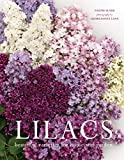

Lilacs: Beautiful Varieties for Home and Garden
Author: Naomi Slade
Photography: Georgianna Lane
Publisher: Gibbs Smith
List Price: $22.99
Order Links: https://amzn.to/3xLGGMX and https://bookshop.org/a/79479/9781423661306
Washington Gardener Magazine reviewer Tori Vandergriff wrote, "Lilacs is a jaw-dropping piece of literature due to Slade’s elegant and informative language, as well as Lane’s incredible photography. This book would be perfect for anyone seeking to learn more about the history of lilacs, the differences in each variety, and how to care for them in the garden. I would highly recommend this book to any gardener (beginner or otherwise) and anyone who loves gorgeous flowers!"

PIN THIS FOR LATER!

Tuesday, December 17, 2024

December 2024 issue of Washington Gardener Magazine – Silver and Gold Chrysanthemum, New Poinsettias, Tulip Tips, and much more…


The December 2024 issue of Washington Gardener Magazine is out.

Inside this issue:

·         Silver and Gold Chrysanthemum

·         Native Wildflower Rosy Twisted Stalk

·         Carolina Horsenettle

·         Tracking the Destructive Red-headed Flea Beetle

·         Great Gardening Books Reviewed

·         2025 Photo Contest Call for Entries

·         2025 Seed Exchange Details

·         Good Choices for Native Street Trees

·         New Poinsettias

·         Tulip Tips

·         Identifying Fungal Tree Diseases

·         and much more…

Note that any submissions, event listings, and advertisements for the January 2025 issue are due by January  5.

>>  Subscribe to Washington Gardener Magazine today to have the monthly publication sent to your inbox as a PDF several days before it is available online. You can use the PayPal (credit card) online order form here: https://www.washingtongardener.com/index_files/subscribe.htm

Saturday, December 14, 2024

GardenDC Podcast on Holiday Break

GardenDC: The award-winning podcast about Mid-Atlantic Gardening is taking a break for the holiday season and will be back in the new year with new episodes. While there is no new episode today, we recommend you re-listen to a past favorite or catch up on some that you might have missed. We also have the following suggestions for past episodes that we think you will enjoy:

BTW, YOU can become a listener supporter for as little as $0.99 per month! 

See how at: https://podcasters.spotify.com/pod/show/gardendc/support.

Suggested episodes:

~ GardenDC Podcast Episode 222: Garden Trends for 2025

https://washingtongardener.blogspot.com/2024/12/gardendc-podcast-episode-222-garden.html

~ GardenDC Podcast Episode 205: Drought-Tolerant Native Plants

https://washingtongardener.blogspot.com/2024/08/gardendc-podcast-episode-205-drought.html

~ GardenDC Podcast Episode 193: Epimediums

https://washingtongardener.blogspot.com/2024/05/gardendc-podcast-episode-193-epimediums.html

We welcome your questions and comments! You can leave a voice mail message for us at: https://podcasters.spotify.com/pod/show/gardendc/message Note that we may use these messages on a future episode.

And be sure to leave us a 5-star review on your favorite podcast platform plus share us on social media with #GardenDC, so other gardeners can find us too!

Monday, December 09, 2024

Saturday, December 07, 2024

GardenDC Podcast Episode 222: Garden Trends for 2025

In this episode of GardenDC: The Podcast about Mid-Atlantic Gardening, we talk with Katie Dubow of the Garden Media Group all about 2025 gardening trends. The plant profile is on Silver and Gold Chrysanthemum and we share what's going on in the garden as well as some upcoming local gardening events in the What's New segment. We close out with the Last Word on Soil Solarization from Christy Page of Green Prints.

BTW, YOU can become a listener supporter for as little as $0.99 per month! 

See how at: https://podcasters.spotify.com/pod/show/gardendc/support.

If you liked this episode, you may also enjoy listening to:

~ GardenDC Podcast Episode 176: Garden Trends for 2024

https://washingtongardener.blogspot.com/2023/12/gardendc-podcast-episode-176-garden.html

GardenDC Podcast Episode 131: Garden Trends of 2023

https://washingtongardener.blogspot.com/2022/12/gardendc-podcast-episode-131-garden.html

GardenDC Podcast Episode 86: 2022 Garden Trends

https://washingtongardener.blogspot.com/2021/12/gardendc-podcast-episode-86-2022-garden.html

Visit https://shop.kathyjentz.com/ to browse our new online store!

This episode is archived at: https://creators.spotify.com/pod/show/gardendc/episodes/Garden-Trends-for-2025-e2s0ckv

Show Notes: 01:19 - Welcome Katie Dubow, President of the Garden Media Group 01:40 - Katie recaps her 2024 05:00 - 2025 Garden Trends Report 05:10 - Nature’s Renaissance as the theme of the trends report 11:42 - How does the Garden Media Group source and find the trends? 14:06 - What is the “Social Retreat” trend? 20:31 - “Grow” Your Own Way 25:45 - This Place Doesn’t Exist – is AI a useful garden tool? 33:41 - Are Lived-In Gardens the new Shabby Chic? 39:29 - Living Fences - shrubs and hedges 43:47 - The trend for Foraged florals 48:33 - Holy Moly Plants 51:14 - Color of the Year 55:52 - Where can listeners find out more? (gardenmediagroup.com/trends/) (trends@gardenmediagroup.com) 56:39 - A little glimpse into the 2026 garden trends 59:29 - Silver and Gold Chrysanthemum Plant Profile 1:01:02 - What’s new in the garden this week? Hibernating due to cold weather and high winds, forcing paperwhites into bloom 1:01:17 - Garden tips of the week: How to successfully grow paperwhites 1:02:15 - Soft launch of a new garden store (shop.kathyjentz.com/) 1:03:20 - Upcoming local gardening events: U.S. Botanic Gardens’ new program: Heirloom Collards and Conversation, The Mid-Atlantic Nursery Trade Show, and more 1:06:09 - 5 Reasons to Try Soil Solarization This Year 1:09:32 - Thank you for listening! Become a supporter

We welcome your questions and comments! You can leave a voice mail message for us at: https://podcasters.spotify.com/pod/show/gardendc/message Note that we may use these messages on a future episode.

And be sure to leave us a 5-star review on your favorite podcast platform plus share us on social media with #GardenDC, so other gardeners can find us too!

Episode Credits:
Host and Producer: Kathy Jentz
Interview Edit and Show Notes: Zachary Intrater
Music: Let the Sunshine by James Mulvany

PIN THIS FOR LATER!

Friday, December 06, 2024

Fenton Friday: Broccoli Harvest

Guest Post by Zachary Intrater

This semester as an intern for Washington Gardener, I attempted to grow broccoli, Brussels sprouts, and cauliflower at the Fenton Street Community Garden. Before this, I had never actually grown anything myself, so I wasn’t super-confident that I would get the best results. I planted the seedlings (sourced from a local indepedent garden center) in early September, and each Monday afternoon when I would meet with Kathy, I would check on and work on my plants.

The work that I would do each Monday mostly just consisted of watering and weeding. Due to my lack of experience, I often needed help from Kathy as far as which weeds I was supposed to be pulling out, and how much I was supposed to be watering. While this was a bit of an intimidating experience for me since I was afraid I was gonna mess things up, Kathy’s help made it so much easier.

There were some holes in the leaves early on from pests eating them so we covered the plants for a few week with a covercloth to keep them out. You can see the white covercloth pulled back in the photo at the top of this post.

After several weeks, all the plants grew quite large. The broccoli heads started to form, but no heads have formed yet on the Brussels sprouts or cauliflower. By the time we harvested on December 2, there was just one good-sized broccoli head and a handful of really tiny ones that are still forming on the broccoli plants. 

The broccoli crown that we harvested weighed in at 1.1 ounces (see pic at right) and honestly looked better than I would’ve guessed it would if you had asked me at the beginning of the semester. I’m not a big broccoli eater myself, so I let Kathy hold on to it, and she’s going to use it in a pasta dish.

Overall, growing my plants in the community garden was a lot of fun. Much like this internship as a whole, it was a new and slightly scary experience, but one where I learned a lot and added new skills to my repertoire. I think that I may take what I learned from this experience and grow more plants in the future, probably potatoes. Happy gardening!

About the Author:
Zachary Intrater is a senior in the Philip Merrill College of Journalism at the University of Maryland. This fall semester, he is an intern at Washington Gardener Magazine.

About Fenton Friday: Every Friday during the growing season, I'll be giving you an update on my community garden plot at the Fenton Street Community Garden just across the street from my house in zone 7 Mid-Atlantic MD/DC border. I'm plot #16. It is a 10 ft x 20 ft space and this is our 13th year in the garden. (It opened in May 2011.) See past posts about our edible garden by putting "Fenton" into the Search box above (at the top, left on this blog)

Monday, December 02, 2024

Monday Thoughts: "From December to March, there are for many of us three gardens – the garden outdoors, the garden of pots and bowls in the house, and the garden of the mind’s eye.” ~ Katharine Sergeant Angell White

"From December to March, there are for many of us three gardens – the garden outdoors, the garden of pots and bowls in the house, and the garden of the mind’s eye.” 

~ Katharine Sergeant Angell White

Featured Post

Holiday Gifts for Gardeners ~ Top Gardening Gifts ~ 21+ Cool Gardening Gift Ideas

The holiday season is here and I bet you have a gardener on your gift list, so we've   updated   our annual Holiday Gifts for Gardeners ...

Most Popular Posts