Showing posts with label cool season. Show all posts

Wednesday, April 15, 2026

English Daisy Plant Profile

English Daisy Plant Profile

English Daisies (Bellis perennis previously known as Aster bellis, Bellis hortensis, and Bellis pumila) are cool-season annuals, biennials, or short-lived perennials -- depending on your local climate. The red, white, or pink daisy blooms of this plant are cute and round with yellow centers.

They have a number of common names including Bairnwort, Bone Flower, Bruisewort, Common Gowan, Dog Daisy, Double Daisy, Goose Flower, Herb Margaret, Lawn Daisy, Marguerite, May Gowan, Noon Flower, True Daisy, and Woundwort.

They are also called “Day’s eyes” because they open at dawn and close at dusk.

They are native to Europe and are hardy to USDA Zones 4 to 8.

They prefer to grown in full sun-to part-shade in well-draining, rich soil.

English daisies are heavy feeders and benefit from using a well-balanced, slow-release fertilizer. 

They like consistent moisture. If they don't receive enough water, English daisies will wilt. 

English Daisies grow to about 6 inches high and wide.

English Daisies are a great addition to spring containers, rock gardens, or borders in early spring along with other cool-season annuals such as Snapdragons and Alyssum.

English daisies will reseed themselves in cooler climates. In warm climates, you can start them from purchased or collected seed. 

English daisies are used in herbal healing for a number of ailments from sunburn to gastritis.

They are an early nectar source for butterflies and other pollinators.

They are deer-resistant.

English Daisy: You Can Grow That!


The video was produced by Washington Gardener Magazine.

Audio, Video, Photos, and Text by Kathy Jentz

Editing by Aicha Bangoura

Additional images from Wikimedia Commons.


 If you enjoy this video, please give it a thumbs up and subscribe to our Youtube channel (thank you!)

Remember to TURN ON notifications to know when our new videos are out

 FIND Washington Gardener Magazine ONLINE

WashingtonGardener.blogspot.com

http://twitter.com/WDCGardener

https://www.instagram.com/wdcgardener/

~ Facebook.com/WashingtonGardenerMagazine

~ Podcast: GardenDC


If you liked this video, we think you will like these other Plant Profiles:

~ Shasta Daisy Plant Profile

https://washingtongardener.blogspot.com/2023/08/shasta-daisy-plant-profile.html

~ Fleabane Plant Profile

https://washingtongardener.blogspot.com/2025/05/fleabane-plant-profile.html

~ Sweet Alyssum Plant Profile  

https://washingtongardener.blogspot.com/2019/11/plant-profile-sweet-alyssum.html

PIN THIS FOR LATER!

Friday, March 27, 2026

Fenton Friday: Kale and Poppies Up!

This week was a weather rollercoaster with windy, sunny days and cold, wet days -- and even one day where we hit 80 degrees!

We planted a row each of Carrots 'Short 'n Sweet' and Radish 'Sparkler'. 

There were no sign of seedlings up yet for the Lettuces or Peas, but both kinds of Kale seedlings are up!

I harvested a bit of the Cilantro that over-wintered to add to a Mexican dish.

In the pollinator strip, seedlings are up for both the California Poppies (pictured above) and a Wildflower Mix. I also added a second kind of California Poppies there -- 'Buttercream'. I've never had much luck with poppies in the past, so am hoping we get a few flowers from them.

Wood chips and compost was delivered to the garden, so the interns and I spread chips on two sides of our plot.

Next week, we hope re-do the garden's bulletin board and add some more cool-season seeds for Arugula, Spinach, and Parsley.

What are you growing and harvesting in your garden this week?

About Fenton Friday: Every Friday during the growing season, I'll be giving you an update on my community garden plot at the Fenton Street Community Garden just across the street from my house in zone 7 Mid-Atlantic MD/DC border. I'm plot #16. It is a 10 ft x 20 ft space and this is our 15th year in the garden. (It opened in May 2011.) See past posts about our edible garden by putting "Fenton"  into the Search box above (at the top, left on this blog).

Friday, April 11, 2025

Fenton Friday: A Wet Week

This past week, we had more rain (thank goodness as we are still in a 10+ inch drought deficit) and the temps turned downright chilly, which is not so welcome after last week's warmth. 

How chilly? Well, it dropped near/below freezing for most of us in the DMV-region on Tuesday night. I had a cover cloth still on the Broccoli seedlings so I knew were fine, but all else was on its own as I had no time to run over and cover them as I gave two local garden talks that day. Thanksfully, nothing in the plot seems to have been affected.

The 'Traditional Chioggia' Beet, Black Seeded, Simpson Lettuce, and Cilantro seedlings are up this week to join the  Arugula, 'Frosty' Peas, and the 'White Globe' Turnips seedlings that were already growing well. The Turnips are growing so big and thickly, that they already needed thinning this week.

The two seeds that have not emerged yet are the 'Crispy Colors Duo' Kohlrabi and 'New Zealand; Spinach. Not sure why they have failed, other than likely being dud seeds. We'll replant their spots next week. I had already set some Radish and Carrot seed packs aside for that purpose.

We did a little weeding and between the rain finally got to apply fresh wood chips on the pathways that have gotten a bit bald around our plot.

I was able to harvest a few more Asparagus spears this week. 

I saw that some Calendula seedlings are coming up in the Pollinator Garden strip and another gardener has transplanted some of her prolifically reseeding Bachelor's Button to the strip too. I hope they survive that transfer! We'll get over their this next week or so to clear out the weeds and start more pollinator-supporting flowers from seed in there.

What are you growing in your edible garden this week?

About Fenton Friday: Every Friday during the growing season, I'll be giving you an update on my community garden plot at the Fenton Street Community Garden just across the street from my house in zone 7 Mid-Atlantic MD/DC border. I'm plot #16. It is a 10 ft x 20 ft space and this is our 13th year in the garden. (It opened in May 2011.) See past posts about our edible garden by putting "Fenton"  into the Search box above (at the top, left on this blog).

Friday, March 14, 2025

Fenton Friday: Finally Got the First Seeds In the Ground for 2025

Since our last post (December 2024) about the garden plot we maintain at the Fenton Street Community Garden, we have not been back to the plot. This winter was a real booger - cold, nasty, and just windy as all get out. 

So, when we visited yesterday, I was pleasantly surprised to see the Garlic is up and things are looking "okay." The brassicas we left in the ground and under cover cloths are all dead, except for one of the Brussels Sprouts. The Calendula that have over-wintered well the last several years are all gone - basically dust. The Garlic Chives, Yarrow, and Chickweed are already roaring back.

We are starting off the new growing season a bit later than we did the last few years -- nevertheless, we have high hopes!

Intern Skylar Drew planted three cool-season crops from seed yesterday - 'Frosty' Peas, 'White Globe' Turnip, and 'New Zealand; Spinach.

This week, I'll need to prune out the old/dead cames from the thornless Blackberry bushes and I'll cut off the dead foliage from the Asparagus.

Next week, I plan to plant some more cool-season crops and get a start on the weeding.

About Fenton Friday: Every Friday during the growing season, I'll be giving you an update on my community garden plot at the Fenton Street Community Garden just across the street from my house in zone 7 Mid-Atlantic MD/DC border. I'm plot #16. It is a 10 ft x 20 ft space and this is our 13th year in the garden. (It opened in May 2011.) See past posts about our edible garden by putting "Fenton" into the Search box above (at the top, left on this blog)

Wednesday, March 12, 2025

Hardy Cyclamen Plant Profile

Hardy Cyclamen are flowering perennials that typically bloom from fall to spring. The blooms range in color from white, pink, magenta, red, or lavender. They are members of the primrose family. Cyclamen are native to Europe and the Mediterranean, where they typically grow on rocky slopes. Hardy cylcamen species can grow in USDA zones 4 to 9.The garden-hardy species include Cyclamen hederifolium, Cyclamen cilicium, and Cyclamen coum. They prefer to grow among the root zones of trees or shrubs and because they are often small in size, should be placed on the edges of pathways or on shaded slopes so you can see and enjoy them. Their leaves are heart- or kidney-shaped with marbled variegations. Many collect them just for the attractive foliage. Cyclamen go dormant in the summer. The plants grow from a round tuber and should be placed in soil with good drainage so they don’t rot. It is especially important that they stay relatively dry during the summer months. Common names for hardy cyclamen include Alpine Violet and Persian Violet, though they are neither a violet nor from Persia. Another common name for them is Sowbread. because, pigs like to dig up and eat the tubers. Interestingly, hardy cyclamen are considered deer-resistant. Hardy Cyclamen are bee-pollinated and can be propagated by division or freshly collected seeds. Hardy Cyclamen: You Can Grow That! The video was produced by Washington Gardener Magazine. Audio, Video, Photos, and Text by Kathy Jentz Editing by Madison Korman ➤ If you enjoy this video, please give it a thumbs up and subscribe to our Youtube channel (thank you!) ➤Remember to TURN ON notifications to know when our new videos are out ➤ FIND Washington Gardener Magazine ONLINE ~ WashingtonGardener.blogspot.com ~ http://twitter.com/WDCGardener ~ https://www.instagram.com/wdcgardener/ ~ Facebook.com/WashingtonGardenerMagazine ~ Podcast: GardenDC If you liked this video, we think you will like these other Plant Profiles: ~ Florist's Cyclamen Plant Profile https://washingtongardener.blogspot.com/2025/03/florists-cyclamen-plant-profile.html ~ Colchicum Plant Profile https://washingtongardener.blogspot.com/2022/10/colchicum-plant-profile.html ~ Amur Adonis Plant Profile https://washingtongardener.blogspot.com/2024/03/amur-adonis-plant-profile.html

PIN THIS FOR LATER!

Friday, September 13, 2024

Fenton Friday: Cool Season Crops


This week, we planted three kinds of Brassicas -- five seedlings each of Broccoli, Brussels Sprouts, and Cauliflower. They are all cool-season crops, so we watered them in thoroughly and I placed a rowcover over them as the temps are still in the 80s and I'm also worried that the insects will skeletonize the leaves if given a chance.

I haven't tried to grow Brussels Sprouts in years, but figured it was time to try it again and see if we have better luck this season. All the Brassica family plants are pretty "iffy" in our region, so I never have high hopes for them. Maybe this fall will be different... 

Next week, I hope to plant radish and carrot seeds along with a few rows of salad greens.

What are you growing in your edible garden this week?

About Fenton Friday: Every Friday during the growing season, I'll be giving you an update on my community garden plot at the Fenton Street Community Garden just across the street from my house in zone 7 Mid-Atlantic MD/DC border. I'm plot #16. It is a 10 ft x 20 ft space and this is our 13th year in the garden. (It opened in May 2011.) See past posts about our edible garden by putting "Fenton" into the Search box above (at the top, left on this blog).

Wednesday, March 06, 2024

African Daisy (Osteospermums) Plant Profile

African Daisy (Osteospermums) Plant Profile

African Daisy (Osteospermums spp.) is a tender perennial that is sold as a cool-season annual. It thrives in the shoulder seasons of our Mid-Atlantic growing year—similar to pansies and sweet alyssum. They are hardy to USDA Zones 9 through 11.

They have a daisy-like bloom that is available in a range of colors from pinks to peaches to purples and bicolors.

African Daisies prefer to grow in full sun in evenly moist, but well-draining soils. They do well in containers.

They attract pollinators and are an ideal cut flower.

To encourage blooming, add a slow-release fertilizer when you plant them and apply a liquid fertilizer every two weeks after that.

Deadhead them frequently. In the summer, you can cut the whole plant back to encourage new growth and flowers by autumn.

They do not usually grow true from seed, but you can propagate them from cuttings or experiment by collecting the seeds and seeing what you get from them.

African Daisy (Osteospermums spp.): You Can Grow That!

The video was produced by Washington Gardener Magazine as part of our Plant Profile series for Mid-Atlantic USA gardeners.

Audio and text by Kathy Jentz

Video and editing by Cassie Peo

If you enjoy this video, please give it a thumbs up and subscribe to our Youtube channel (thank you!)

Remember to TURN ON notifications to know when our new videos are out

FIND Washington Gardener Magazine ONLINE

~ WashingtonGardener.blogspot.com

~ http://twitter.com/WDCGardener

~ https://www.instagram.com/wdcgardener/

~ Facebook.com/WashingtonGardenerMagazine

~ Podcast: GardenDC

PIN THIS FOR LATER!

Wednesday, December 06, 2023

Collard Greens Plant Profile


Collard Greens Plant Profile

Collards (Brassica oleracea) are an edible green that is a cultivated variation of the European wild cabbage.

Collards are one of many members of the cabbage family, Brassicaceae or Cruciferae, also known as the crucifers, or the mustard family, which includes broccoli, cauliflower, mustard, turnips, kale, and Swiss chard.

Collards can thrive in the heat, but can also withstand temperatures down to 10 degrees Fahrenheit. For best flavor, harvest collards after several frosts.

Collard can be sown in late winter for a summer crop and in mid-summer for a fall crop. In the spring, plant it as soon as the ground can be worked.

Note that it does not form a head like its cabbage relatives. Collards should be harvested continuously by picking the bottom leaves starting approximately 60 days after seeding.

Collards can be eaten fresh, cooked in soups and stews, pickled, sautéed, and fried.

Read more about growing and preparing Collards in the November 2023 issue of Washington Gardener Magazine.

Collards: You Can Grow That!

The video was produced by Washington Gardener Magazine as part of our Plant Profile series for Mid-Atlantic USA gardeners.

Video, editing, audio, and text by Kathy Jentz

Filmed at the U.S. Botanic Garden in Washington, DC.

If you enjoy this video, please give it a thumbs up and subscribe to our Youtube channel (thank you!)

Remember to TURN ON notifications to know when our new videos are out

FIND Washington Gardener Magazine ONLINE

~ WashingtonGardener.blogspot.com

~ http://twitter.com/WDCGardener

~ https://www.instagram.com/wdcgardener/

~ Facebook.com/WashingtonGardenerMagazine

~ Podcast: GardenDC

PIN THIS FOR LATER!

Friday, September 29, 2023

Fenton Friday: Cool Season Seeds In

Arugula seedlings

I missed posting last week because I was at The Fling touring gardens around the Philadelphia area with about 100 other garden bloggers and social media influencers (more on that in tomorrow's GardenDC Podcast episode).

We did manage to get several kinds of cool-season seeds in before and after the Fling trip. We planted two types of arugula: 'Astro' and 'Rocky', 'Round Black Spanish' radish, 'Bloomsdale Long Standing' spinach, and 'Chioggia' beets. We also planted 'Long Standing' cilantro in a container as well as a row in the ground to compare how those do and which method is more successful. The radish and arugula are already up! I always forget how fast these seeds germinate in warm soils, unlike the early spring where they may take a while to get going. 

This past week has been a rainy one and that has been great for the garden. We got some weeding in and put fresh woodchips on the shared pathways around our plot as well as down the center of it.

The storms caused my basil plants to split and fall down, so I cut some of those back and made a batch of pesto last night and need to get the rest of the basil pulled and made into pesto to freeze soon.

We harvested more zucchini, blackberries, cucamelons, peppers, and cherry tomatoes. We also cut more bouquets of zinnias and dahlias.

How is your garden plot growing this week?


About Fenton Friday: Every Friday during the growing season, I'll be giving you an update on my community garden plot at the Fenton Street Community Garden just across the street from my house in zone 7 Mid-Atlantic MD/DC border. I'm plot #16. It is a 10 ft x 20 ft space and this is our 12th year in the garden. (It opened in May 2011.)  See past posts about our edible garden by putting "Fenton" into the Search box above (at the top, left on this blog).

Friday, December 09, 2022

Fenton Friday: Broccoli & Blues

By Jaime Breeden

There is little in this world that cannot be cultivated with time, effort, and the right resources. This is not a mantra that I live by regularly, but it’s something that I try to have in the back of my head when trying new things. It helps to dull the blow of failure. 


I have regularly heard people say it’s hard to actually "fail" at gardening because you just learn from what went right and what didn’t. It’s also very possible that what takes out your plants was Mother Nature deciding to bring on the frost earlier than you’d anticipated. 


Since September, I’ve been the proud parent of a batch of golden Swiss Chard, grown within the relative safety of a container, and some Broccoli, planted in directly in the soil. And as of today, I am happy to report that despite everything I’ve said about my lack of experience over the past semester, I only managed to kill one of the plants I’d been growing.


Washington Gardener Magazine's editor Kathy Jentz has been an incredible coach, as I’m sure you could have guessed. Her willingness to put up with endless questions combined with her encyclopedic knowledge was invaluable to a newcomer like me. I figure I’d still be looking at a barren lot had

she not been around to guide me through my first real growing experience.


Honestly the most, challenging thing about growing these guys has been the time it takes to know

whether or not what you've got growing is going to actually bear fruit. Or, in this case, vegetables. Barring the idea of the cover cloth to protect the broccoli from the dangers of the menacing cabbage looper moth, a lot of my watering, and general care was intuitive.


To this day, the broccoli has only produced a single, small head. The size isn’t the issue, according to

Kathy, it’s supposed to be that small, but after several months of waiting for anything to come out of the crop, I’ll only be able to take home a single floret. There are other heads starting to form, but they likely won’t be ready for harvesting for another couple of weeks.


The Swiss Chard, on the other hand, didn’t give over any bounty. None of the seeds got beyond a few

small leaves, and while it may have technically been edible there wasn’t enough to do anything beyond topping a salad with the sprouts. I chalk it up to under-insulating the plant prior to the first frost, and an unknown foreign plant (some kind of red lettuce?) lurking beneath the soil. 


In all, I envy the rest of you gardeners, spending so many hours of your day watching such beautiful

things grow by your own hands. Had I the patience and "sticktoitiveness," I would surely try to get right back on the horse, but winter is upon us and now it is time to rest and learn.


About the Author: Jaime Breeden is a fourth-year journalism student at the University of Maryland, College Park and an intern this fall session with Washington Gardener.

About Fenton Friday: Every Friday during the growing season, I'll be giving you an update on the community garden plot at the Fenton Street Community Garden just across the street from my house in zone 7 Mid-Atlantic MD/DC border. I'm plot #16. It is a 10 ft x 20 ft space and this is our 11th year in the garden. (It opened in May 2011.) See past posts about our edible garden by putting "Fenton" into the Search box above.

Wednesday, March 16, 2022

Primrose Plant Profile

Primrose Plant Profile

Primroses (Primula hybrids) are a cold-hardy perennial to USDA zones 4-8. They come in an array of flower colors including reds, whites, yellows, oranges, purples or pinks with yellow centers and scalloped green foliage.

They are widely sold as a houseplant at local supermarkets and garden centers in late winter and early spring. At just $2-5 each, I buy several and use them to decorate my home with flowers during the gray days of January and February.

When they stop flowering, I plant them out in the garden in a moist, part-shade spot. They come back reliably each year with little to no care and bloom about the same time outdoors as they did inside.

One extra step I do for them is that I pinch out any spent blooms as I come across them during regular watering (side note: never let them dry out!). This encourages more and longer flowering from the plants. You can also give them a few drops of liquid fertilizer to prompt more flower formation when they start to slow down.

Rather than compost these sweet little plants, why not plant them out in your garden and be rewarded with blooms for years to come?

Primrose: You Can Grow That!

The video was produced by Washington Gardener Magazine.

Audio, Photos, and Text by Kathy Jentz

Video and Editing by Hojung Ryu


 If you enjoy this video, please give it a thumbs up and subscribe to our Youtube channel (thank you!)

Remember to TURN ON notifications to know when our new videos are out

 FIND Washington Gardener Magazine ONLINE

WashingtonGardener.blogspot.com

http://twitter.com/WDCGardener

https://www.instagram.com/wdcgardener/

~ Facebook.com/WashingtonGardenerMagazine

~ Podcast: GardenDC

 PIN THIS FOR LATER!

Friday, March 04, 2022

Fenton Friday: A New Season in the Community Garden Plot


It is our first week back at the community garden and here is what has wintered over for us. We have the strawberry and asparagus bed looking in fine shape. The garlic planted last fall is up and looking good. The "dwarf' thornless blackberry is starting to sprout new leaves and needs serious pruning. About a quarter row of spinach and a similar amount of arugula have survived under a row cover. (The bok choy I hoped would stick around has not.) Some of the perennial herbs like yarrow and chives are rebounding in the early spring warmth.

The mustard green cover crop is dying back as planned and revealed an underplanting of 'White Egg' turnips that I had forgotten all about. The turnips are beyond the point of harvesting and will make good compost at this point.

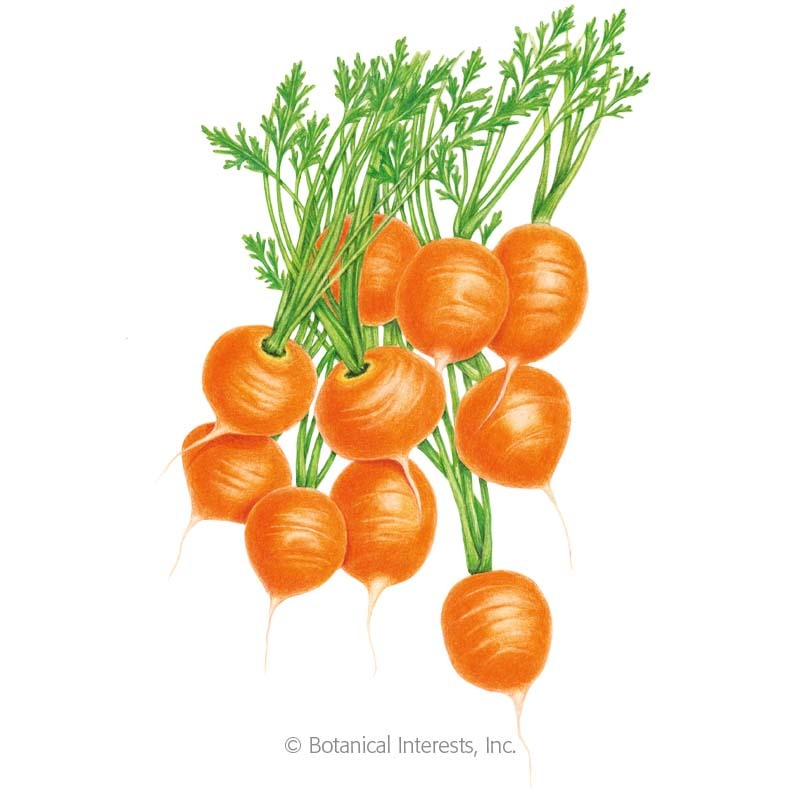
The two interns planted seeds this week for three crops -- an organic salad bowl mix that we are trying in both a container and a row in the ground, along with a row of Radish 'Rudolf' alongside a row of 'Tonda di Parigi' Carrots. These last two I got from Botanical Interests and am eager to see how they do for us -- especially the small, round carrots.

In a week or so, I plan to plant our peas and maybe add some other types of early greens and cool-season herbs. Are you back in your edible garden yet? If so, what are you growing?

About Fenton Friday: Every Friday during the growing season, I'll be giving you an update on my community garden plot at the Fenton Street Community Garden just across the street from my house in zone 7 Mid-Atlantic MD/DC border. I'm plot #16. It is a 10 ft x 20 ft space and this is our 11th year in the garden. (It opened in May 2011.) See past posts about our edible garden by putting "Fenton" into the Search box above.

Snapdragon Plant Profile

Snapdragon Plant Profile

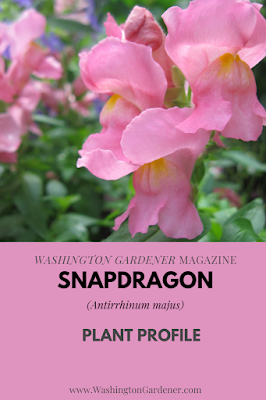
Snapdragon (Antirrhinum majus) are a cool season annual (sometimes a tender perennial) like pansies and violas that bloom in the shoulder seasons (early spring and late fall). They stop blooming through the coldest part of winter, but often hold on to their green foliage for us here in the Mid-Atlantic. They are hardy to USDA zones 7 to 10.

Snapdragons make excellent container plants and their flowers are available in a wide range of colors from creamy whites, oranges, and yellows to rosy pinks and purples. They also come in a variety of heights from dwarf to mounding or trailing to quite tall.

The common name "snapdragon", originates from the flowers' reaction to having their throats squeezed, which causes the "mouth" of the flower to snap open like a dragon's mouth.

They are native to the Mediterranean region and the fragrant flowers are attractive to pollinators including hummingbirds, bumble bees, and other large bees. The flowers have a long vase life, making them an excellent cut flower choice as well.

Snapdragons are low-care. Just plant them in a sunny spot and make sure they do not entirely dry out. Mulching, fertilizing, and regularly snipping off their spent blossoms can help them stay healthy and more floriferous.

And, oh yeah, they are deer-resistant! That makes them pretty useful among other cool-season annuals that are practically deer- and rabbit-candy. So, if you have a bare spot in a bed or container in the cooler gardening months, think about adding snapdragons.

Snapdragon: You Can Grow That!


The video was produced by Washington Gardener Magazine.

Audio, Photos, and Text by Kathy Jentz

Video and Editing by Hojung Ryu

  Footage gathered at Brookside Gardens, Wheaton, MD.


 If you enjoy this video, please give it a thumbs up and subscribe to our Youtube channel (thank you!)

Remember to TURN ON notifications to know when our new videos are out

 FIND Washington Gardener Magazine ONLINE

WashingtonGardener.blogspot.com

http://twitter.com/WDCGardener

https://www.instagram.com/wdcgardener/

~ Facebook.com/WashingtonGardenerMagazine

~ Podcast: GardenDC

 PIN THIS FOR LATER!

Friday, September 17, 2021

Fenton Friday: Cool Season Seedlings

'Lunchbox' Peppers

These past few weeks the new fall interns and I have been busy planting some cool season crops from seed these past few weeks. That includes: 'Viroflay' Spinach, 'Cherry Belle' Radish, 'Bopak' Pak Choi, 'Wando' Shelling Peas, Arugula, Lettuce Mesclun mix, and 'Long Satnding' Cilantro. A few have germinated and are recognizable, others are being slow to show up and many need reseeding. A lot of the seeds I had were a bit old, so many not have the best germination rates, plus we've had a few very rains that may have washed some of them away.

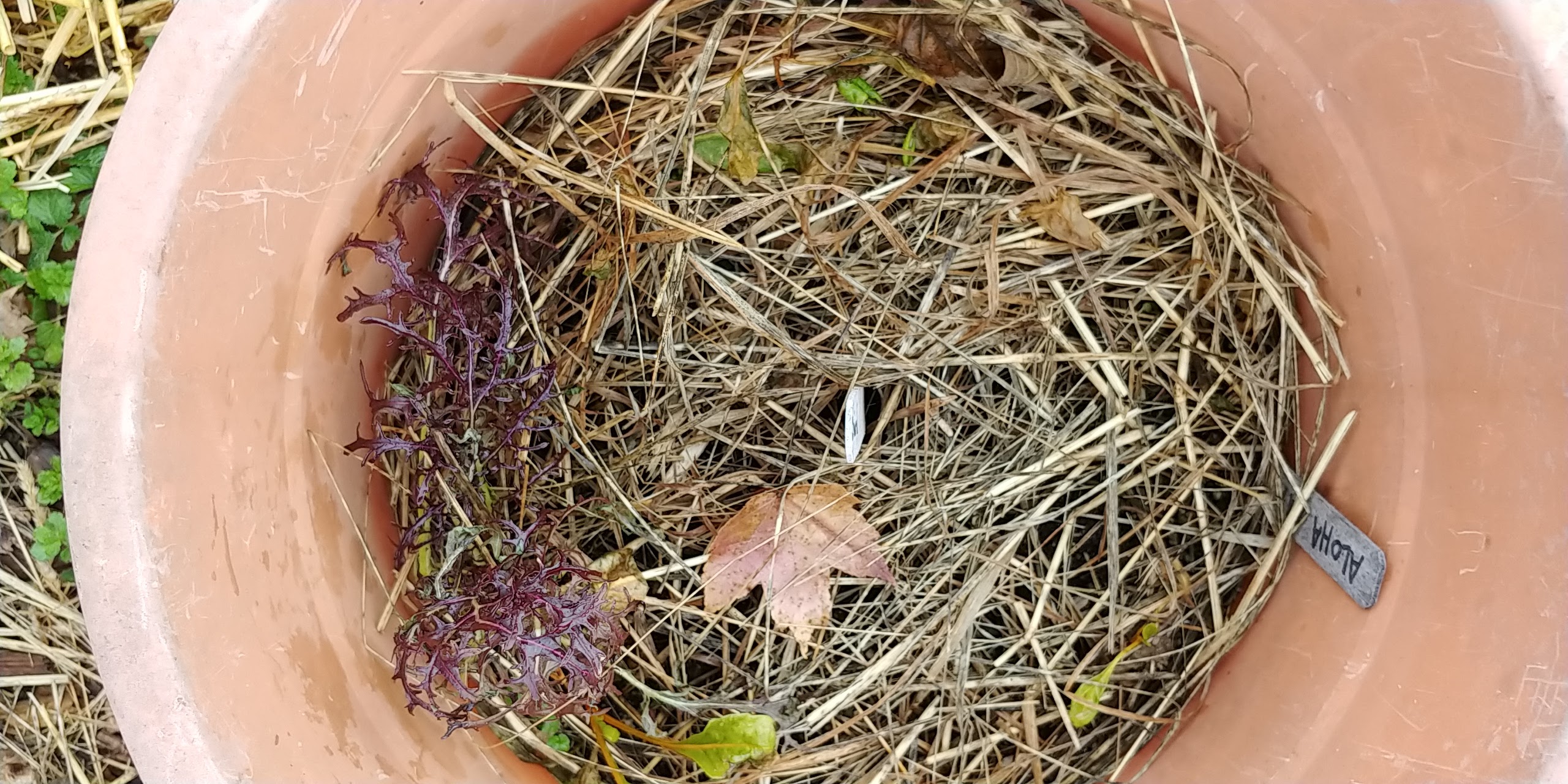
We also seeded one area with Mustard Greens as a cover crop and those are filling in nicely. They are meant as a soil amendment, though we can certainly harvest and eat some of those leaves too.

Elsewhere in the plot, we are still harvesting Cherry Tomatoes and Peppers, plus some self-sown Arugula. I'm also cutting Zinnias, Celosia, and Cosmos.

The Zucchini vines have declined rapidly, so I'll pull those soon and maybe try out another cover crop there.

How is your edible garden growing?

About Fenton Friday: Every Friday during the growing season, I'll be giving you an update on my community garden plot at the Fenton Street Community Garden just across the street from my house in zone 7 Mid-Atlantic MD/DC border. I'm plot #16. It is a 10 ft x 20 ft space and this is our 8th year in the garden. (It opened in May 2011.) See past posts about our edible garden by putting "Fenton" into the Search box above.

Wednesday, April 14, 2021

Plant Profile: Asparagus

Nothing says, "SPRING!" like fresh asparagus. With no real work on my part, I am able to get a decent harvest of asparagus from my community garden plot. The only thing this perennial vegetable really requires is patience.

Having to hold off on harvesting for three years from the initial planting date was a real test of my will power, but the wait is worth it. They are so tender fresh from the garden that they only need a quick blanching to prepare them.

To plant them, buy asparagus crowns (roots) via mail-order or from your local garden center. Plant them in a trench about 6 to 12 inches deep and a foot wide in a sunny spot in your garden. Add in some organic compost when re-filling the hole and then keep the area well-mulched.

 Let the plants go through their growth cycle for two years without picking any so they gain strength and get well-established. In the third year, you can finally selectively harvest some spears by grasping them near the ground to bend them and they will naturally snap off at their weakest point.

At the beginning of May, stop harvesting and let the asparagus spears grow. They need the tall foliage and recovery time to send energy back down to the developing roots. You will need to tie-up the long asparagus fronds in the summer with a bungee cord or string as they like to flop over.

 In the fall, the plant forms little red seed pods or "berries," The asparagus seeds can be collected, dried, and planted the next spring. Towards the end of autumn, the foliage starts to turn brown --cut it back and compost it. Then mulch the bed with an organic material like straw.

I let strawberries encroach in my asparagus bed as their surface-runners don't really interfere much with the asparagus roots, but you really should keep it weeded and free of other interloping plants.

By the way, “white” asparagus is the same plant as the regular green one. It is just deprived of sunshine so it can’t produce chlorophyll and turn green. To grow white asparagus, bury the spears in mounds -- adding a few inches of soil a little at time, leaving the very tips showing. Harvest by digging them out and cutting off the top growth.

Asparagus - You Can Grow That!

The video was produced by Washington Gardener Magazine.

Visuals by Khloe Quill
Audio by Kathy Jentz


 If you enjoy this video, please give it a thumbs up and subscribe to our Youtube channel (thank you!)

Remember to TURN ON notifications to know when our new videos are out

 FIND Washington Gardener Magazine ONLINE

WashingtonGardener.blogspot.com

http://twitter.com/WDCGardener

https://www.instagram.com/wdcgardener/

~ Facebook.com/WashingtonGardenerMagazine

~ Podcast: GardenDC

 PIN THIS FOR LATER!


Saturday, March 21, 2020

GardenDC Podcast Episode 3: Cool-Season Edible Gardening

Listen to the most recent episode of our podcast posted on March 21, 2020.

This episode includes a chat with Kim Roman of Square Foot Gardening 4 U (SFG4U) about Square Foot Gardening techniques, microgreens, and what cool-season edibles you can start right now.

Our Plant Profile in this episode is on Forsythia.

The episode is posted at: https://anchor.fm/kathy-jentz/episodes/Match-21--2020-ebhqku

We are also available on -

  • Google Podcasts at this link, either now or soon (note that currently, this link will only work on Android devices)

We welcome your questions and comments!


You can leave a voice mail message for us at: https://anchor.fm/kathy-jentz/message Note that we may use these messages on a future episode.

And YOU can become  a listener supporter for as little as $0.99 per month! See how at: https://anchor.fm/kathy-jentz/support. 


Featured Post

Holiday Gifts for Gardeners ~ Top Gardening Gifts ~ 21+ Cool Gardening Gift Ideas

The holiday season is here and I bet you have a gardener on your gift list, so we've   updated   our annual a Holiday Gifts for Gardener...

Most Popular Posts